

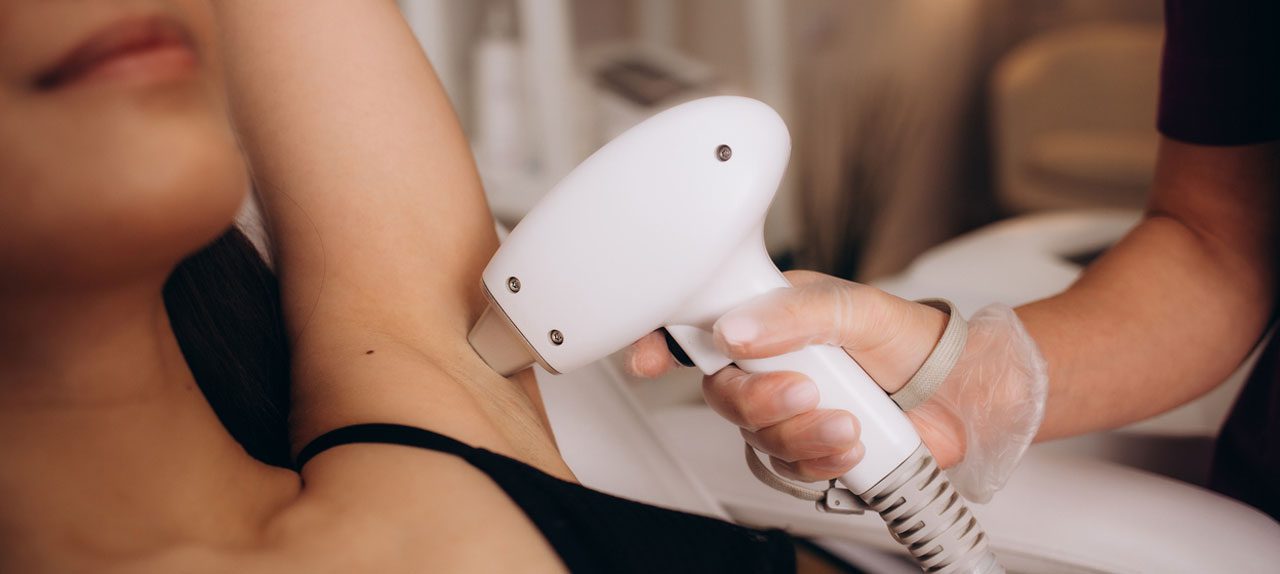
Laser hair removal remains one of the most popular aesthetic treatments for a reason. It offers a long-term way to reduce unwanted hair while helping many patients move away from the constant cycle of shaving, waxing, tweezing, and dealing with irritation. Areas that require frequent upkeep can often become smoother, lower-maintenance, and more comfortable over time.
Even though laser hair removal is widely known, many people begin treatment without fully understanding how it works, what kind of results to expect, or why treatment plans usually involve multiple sessions. Knowing the basics before you start can help you make better decisions and get stronger results.
How Laser Hair Removal Works
Laser hair removal uses targeted light energy that is absorbed by pigment in the hair follicle. That energy helps damage the follicle’s ability to continue producing hair efficiently. Over time, treated follicles grow hair more slowly, more finely, or stop producing visible hair altogether.
Because the treatment targets the follicle, shaving before appointments is usually recommended, while methods that remove the root such as waxing or plucking are typically avoided during the treatment process.
Why Multiple Sessions Are Needed
Hair grows in cycles, and not every follicle is active at the same time. Laser treatment is most effective when hair is in the active growth phase. Since different follicles cycle at different times, several treatments are needed to target enough hairs during the right stage.
Most patients require a series of appointments spaced over time, followed by occasional maintenance depending on the area treated, hormones, and individual hair growth patterns.
Laser hair removal should be viewed as a process rather than a one-time treatment.
Which Areas Are Commonly Treated
Laser hair removal can be used on many parts of the body where unwanted hair is a concern. Common treatment areas include the face, underarms, arms, legs, bikini line, chest, back, and abdomen.
Some patients choose one area for convenience, while others build a plan around multiple areas to reduce daily maintenance more broadly.
What the Treatment Feels Like
Most people describe laser hair removal as tolerable. Sensations vary depending on the area treated, hair density, and skin sensitivity. Many compare it to a quick snapping sensation or brief heat against the skin.
Modern systems often include cooling features designed to improve comfort during treatment. Sessions can also be relatively quick, especially for smaller areas.
Preparation Matters
Good preparation can improve both comfort and results. Before treatment, patients are often advised to avoid recent sun exposure, tanning products, and hair removal methods that pull hair from the root. Shaving the treatment area is commonly recommended because it leaves the follicle in place while minimizing surface hair.
Important steps often include:
- Arriving with clean skin free of lotions or oils
- Avoiding waxing or plucking before treatment
- Limiting sun exposure before and after sessions
- Following provider instructions between visits
A consultation helps determine the best timing and approach for your skin and hair type.
Results Happen Gradually
Hair does not disappear instantly after one session. Treated hairs often shed over the following days or weeks, while future regrowth tends to come back lighter, finer, or more sparse. With continued sessions, many patients notice significantly reduced growth and smoother skin.
Patience is important. The full benefit develops progressively as more follicles are treated across multiple growth cycles.
Skin Benefits Beyond Hair Reduction
Many patients appreciate benefits beyond simply having less hair. Reducing frequent shaving or waxing may help decrease irritation, ingrown hairs, razor bumps, and recurring inflammation. This can be especially valuable in areas prone to sensitivity.
For some people, laser hair removal becomes as much about skin comfort as convenience.
Choosing the Right Provider
Laser hair removal is not one-size-fits-all. Skin tone, hair color, hair thickness, treatment area, and medical history can all influence how treatment should be approached. An experienced provider can help select appropriate settings, space treatments properly, and prioritize safety.
This is especially important because different technologies may be better suited for different skin and hair combinations.
A Long-Term Investment in Simplicity
Starting laser hair removal often means committing to a treatment series, but many patients find the payoff worthwhile. Less daily upkeep, smoother skin, and fewer ingrown hairs can make a noticeable difference in routine and confidence.
The best results usually come from realistic expectations, consistent appointments, and professional guidance. When approached the right way, laser hair removal can be one of the most practical and rewarding treatments in aesthetic care.