When people think about aging skin, wrinkles often get most of the attention. However, changes in skin texture can have just as much impact on how youthful and healthy the skin appears. Roughness, enlarged pores, acne scars, uneven tone, and fine lines can gradually develop over time, making the complexion look older even before deeper wrinkles become noticeable.
Laser resurfacing is designed to address many of these concerns by improving the skin’s surface while stimulating renewal beneath it. Rather than simply masking imperfections, laser resurfacing encourages the skin to repair and regenerate itself, helping create smoother, healthier-looking skin over time.
For patients looking to improve texture and soften early signs of aging, laser resurfacing can be one of the most effective tools available.
Why Texture Changes With Age
Skin is constantly renewing itself, but that process slows as we get older. Collagen production naturally declines, cell turnover becomes less efficient, and years of sun exposure begin to accumulate. As a result, skin may start to feel rougher, look duller, and develop uneven texture.
Common texture concerns include:
- Fine lines and creases
- Enlarged pores
- Acne scars
- Rough patches
- Uneven skin surface
- Sun-related skin damage
These changes often occur gradually, which is why many people notice that their skin simply does not look as smooth or radiant as it once did.
How Laser Resurfacing Works
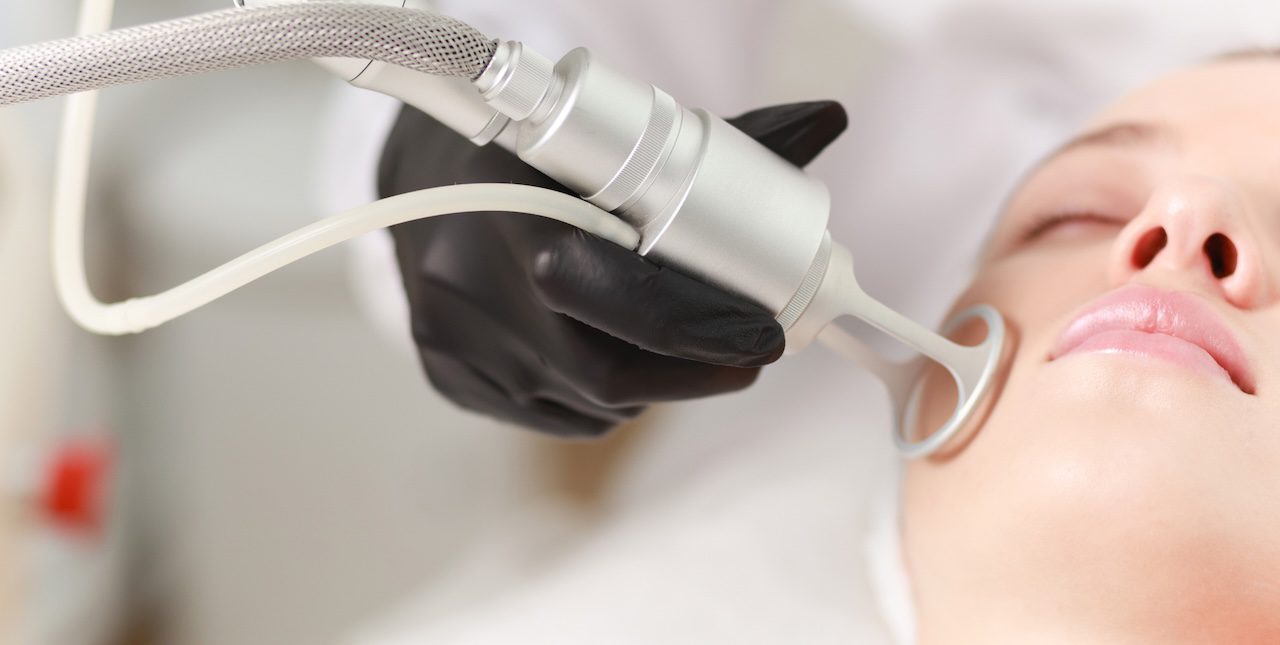
Laser resurfacing works by creating controlled injury within the skin. While that may sound intimidating, the process is carefully designed to stimulate the body’s natural healing response.
As the skin repairs itself, it begins producing new collagen and replacing damaged tissue with healthier skin. This process helps improve both the visible surface and the deeper structural support beneath it.
Different resurfacing technologies vary in intensity, but the overall goal remains the same: encourage skin renewal while improving texture and overall quality.
Because the body continues producing collagen after treatment, improvements often develop gradually over the weeks and months that follow.
Improving Fine Lines
Fine lines are often among the earliest visible signs of aging. They commonly develop around the eyes, mouth, and forehead as collagen levels decline and repetitive facial movement leaves lasting impressions in the skin.
Laser resurfacing can help soften the appearance of these lines by stimulating collagen production and improving the quality of the skin surrounding them. While deeper wrinkles may require additional treatment approaches, fine lines often respond particularly well to resurfacing procedures.
Many patients appreciate that improvements occur through the skin’s natural renewal process rather than by changing facial expression or adding volume.
Smoothing Rough Texture
Texture issues are not always obvious in photographs, but they can become very noticeable in everyday life. Skin that feels rough, uneven, or bumpy often reflects light differently, making the complexion appear less vibrant and healthy.
Laser resurfacing helps remove damaged surface cells while encouraging healthier skin to emerge. As the skin renews itself, many patients notice a smoother feel and a more refined appearance.
This improvement in texture often contributes to a brighter complexion and can help makeup apply more evenly.
Reducing the Appearance of Acne Scars
Acne scars are one of the most common reasons people seek laser resurfacing treatments. Even after breakouts have resolved, scars can remain visible for years because they affect the skin’s underlying structure.
Resurfacing lasers can help improve the appearance of certain acne scars by stimulating collagen remodeling within the treated areas. As new collagen develops, depressions and irregularities may appear less noticeable.
While laser resurfacing cannot completely erase every scar, many patients experience meaningful improvements in smoothness and overall skin texture.
Addressing Sun Damage
Sun exposure affects more than pigmentation. It also contributes to rough texture, fine lines, and changes in skin quality that become increasingly visible over time.
Laser resurfacing can help address many of these concerns simultaneously. By encouraging the removal of damaged skin cells and supporting collagen production, treatment can improve the overall appearance of sun-aged skin.
Patients often notice that their skin looks brighter, smoother, and more refreshed as healing progresses.
What Results Typically Look Like
One of the reasons laser resurfacing remains so popular is that the results tend to look natural. Rather than creating dramatic changes overnight, improvements develop as the skin gradually repairs itself.
Patients commonly notice:
- Smoother skin texture
- Softer fine lines
- Improved skin clarity
- More even-looking skin
- Better overall skin quality
- A healthier, more refreshed appearance
Because collagen remodeling continues after treatment, results often evolve over time rather than appearing all at once.
Realistic Expectations Matter
Laser resurfacing can significantly improve texture and fine lines, but it is important to understand that it is not a magic solution for every concern. The degree of improvement depends on factors such as skin condition, treatment type, age, sun damage history, and individual healing response.
Many patients achieve the best outcomes through a personalized treatment plan that may include multiple sessions or complementary skin rejuvenation procedures.
The goal is improvement, not perfection. Even modest improvements in texture and skin quality can make a meaningful difference in how youthful and refreshed the skin appears.
A Powerful Option for Skin Renewal
Texture and fine lines often develop slowly, but they can have a significant impact on overall appearance. Laser resurfacing addresses these concerns by encouraging the skin to repair itself, produce new collagen, and replace damaged tissue with healthier skin.
Whether the goal is smoothing acne scars, refining texture, reducing fine lines, or improving the effects of sun damage, laser resurfacing offers a versatile approach to skin rejuvenation. By focusing on the quality of the skin itself, treatment can help create a smoother, brighter, and more refreshed complexion that continues to improve long after the procedure is complete.