Laser treatments have become some of the most versatile tools in aesthetic medicine, but they are also among the most misunderstood. Many people hear the word “laser” and assume it refers to a single treatment that addresses every skin concern. In reality, different laser technologies are designed to target specific issues, from pigmentation and redness to acne scars and signs of aging.
Understanding what laser treatments can realistically improve is important when deciding whether they fit your goals. While lasers can produce impressive results, they are most effective when used to address the concerns they were specifically designed to treat.
Pigmentation and Uneven Skin Tone
One of the most common reasons patients seek laser treatments is uneven pigmentation. Sun exposure, aging, inflammation, and hormonal changes can all contribute to discoloration that leaves the skin looking blotchy or uneven.
Laser treatments can target excess pigment beneath the surface of the skin, helping reduce the appearance of:
- Sun spots
- Age spots
- Freckles
- Certain forms of hyperpigmentation
- Uneven skin tone
As the targeted pigment breaks down and clears naturally, many patients notice a brighter, more balanced complexion. While results vary depending on the type and depth of pigmentation, laser treatments can often achieve improvements that are difficult to accomplish with skincare products alone.
Redness and Rosacea
Persistent redness can make skin appear irritated even when it feels perfectly healthy. Visible blood vessels, flushing, and rosacea-related redness are common concerns that often do not respond fully to topical products.
Certain laser and light-based treatments are specifically designed to target vascular concerns. By focusing on visible blood vessels beneath the skin, these treatments can help reduce redness and create a more even appearance.
Many patients with rosacea find that laser treatments become an important part of managing their skin’s appearance, particularly when redness is one of their primary frustrations.
Sun Damage
Years of cumulative sun exposure can affect the skin in ways that extend beyond dark spots. Sun damage often contributes to uneven texture, loss of radiance, redness, and accelerated signs of aging.
Laser treatments are frequently used to address multiple components of sun damage simultaneously. Depending on the technology selected, treatment may help improve skin clarity, reduce discoloration, and encourage healthier-looking skin overall.
Because sun damage develops gradually over time, improvement often comes from a series of treatments rather than a single session.
Acne and Acne Scars
Active acne and acne scars are two different concerns, but laser treatments may play a role in addressing both.
For active acne, certain laser technologies can help reduce inflammation and target factors that contribute to breakouts. This can be particularly helpful for patients whose acne has not responded adequately to traditional skincare alone.
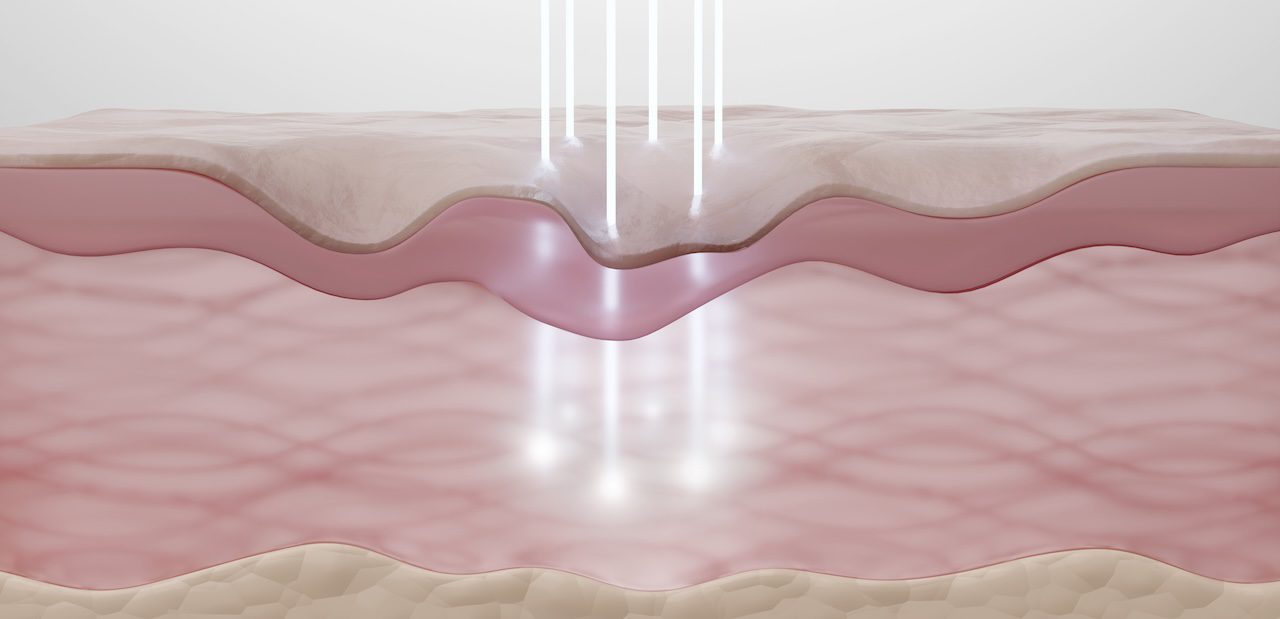
Acne scars often require a different approach. Scarring can leave behind depressions, texture irregularities, and uneven skin that remain long after breakouts have resolved. Laser resurfacing treatments help stimulate skin renewal and collagen production, which may soften the appearance of scars over time.
Because acne scarring can vary significantly from person to person, treatment plans are often tailored to the severity and type of scarring present.
Fine Lines and Early Signs of Aging
Lasers are often associated with anti-aging because they can help improve several common concerns related to skin aging.
As collagen production slows, the skin may begin to develop fine lines, rougher texture, and a less vibrant appearance. Certain laser treatments work by creating controlled stimulation within the skin, encouraging the body’s natural repair processes and supporting collagen remodeling.
This can help improve:
- Fine lines
- Mild skin laxity
- Rough texture
- Overall skin quality
While laser treatments do not stop the aging process, they can help restore some of the smoothness and clarity that gradually diminish over time.
Texture and Skin Resurfacing
Not every skin concern is related to color or wrinkles. Sometimes the issue is texture. Rough patches, enlarged pores, uneven skin surface, and dullness can all affect how healthy and youthful skin appears.
Resurfacing lasers are designed to improve the skin‘s texture by encouraging the replacement of damaged surface cells and stimulating renewal beneath the surface.
Patients often pursue laser resurfacing when they want smoother skin, improved refinement, and a more polished appearance overall. Improvements in texture can also enhance how makeup applies and how the skin reflects light.
What Lasers Cannot Do
While laser technology is highly versatile, it is important to understand its limitations. Not every concern is best treated with a laser.
For example, significant volume loss is often better addressed with injectable treatments rather than laser procedures. Dynamic expression lines caused by muscle movement may respond more effectively to wrinkle relaxers. Likewise, some forms of pigmentation may require a combination approach rather than laser treatment alone.
The most successful outcomes typically come from matching the treatment to the specific concern rather than expecting a single procedure to solve every issue.
A Versatile Tool for Skin Rejuvenation
Modern laser treatments can improve a wide range of skin concerns, including pigmentation, redness, acne scars, texture irregularities, sun damage, and early signs of aging. Their versatility is one reason they remain a cornerstone of many aesthetic treatment plans.
The key is understanding that different lasers serve different purposes. When used appropriately, laser treatments can help create clearer, smoother, healthier-looking skin while supporting long-term skin rejuvenation goals. Rather than dramatically changing how you look, they often work by improving the quality of the skin itself, allowing your natural features to look their best.